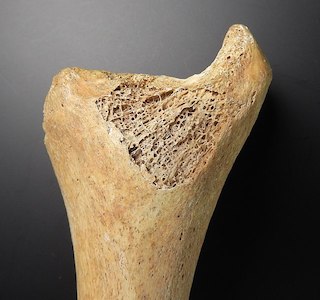
Explore the critical relationship between 3D-printed pore size and biological fixation. We analyze how varying lattice architectures—ranging from 600 to 800 microns—optimize the elastic modulus to mimic cancellous bone and mitigate the long-term risks of stress shielding.
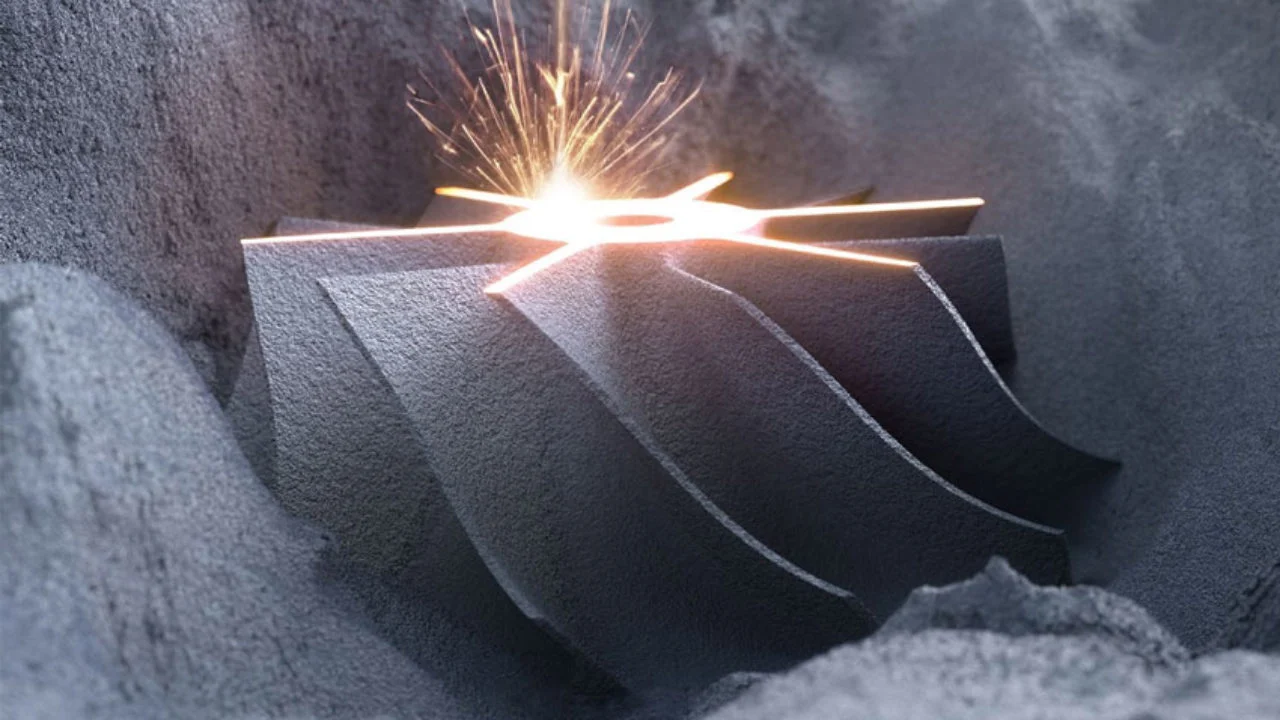
Behind every custom implant is a complex digital workflow. We break down the technical journey of medical imaging segmentation, finite element analysis (FEA), and Laser Powder Bed Fusion (LPBF) to ensure anatomical fidelity in every patient-specific solution.

As the regulatory landscape for 3D-printed medical devices evolves, staying ahead of V&V (Validation & Verification) protocols is essential. We examine recent trends in 510(k) submissions and the critical role of material characterization in ensuring device safety and market clearance.
.png)
Let us manage the engineering, clinical validation, and regulatory strategy for your most complex cases. We turn anatomical challenges into measurable results with a dedicated focus on precision, transparency, and patient outcomes.
